Nowruz travel monitoring teams, 24-hour complaint system, activated across Iran
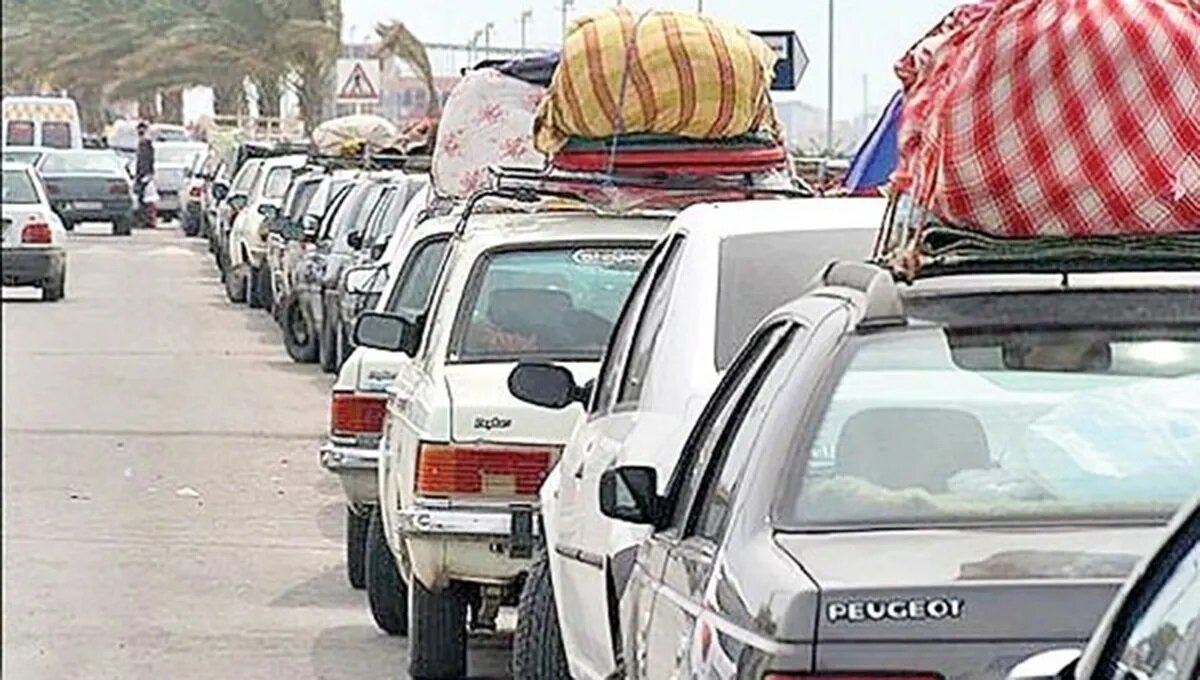
TEHRAN – Iran’s tourism ministry has launched provincial monitoring teams and activated a 24-hour complaint mechanism ahead of the Nowruz 1405 travel season.
Provincial inspection teams began operations at the start of Esfand, prior to the first wave of Nowruz travel, which runs from March 15 to April 3, Parham Janfeshan, director-general of the office for supervision and evaluation of tourism services at the Ministry of Tourism, told ILNA on Monday.
Nowruz, meaning “New Day,” marks the first day of spring and will begin at the spring equinox on March 21, 2026. The festival is observed in Iran and several other countries.
Janfeshan said monitoring is being conducted in two phases. The first phase includes preliminary and infrastructure inspections during Esfand before the official start of travel. The second phase involves field inspections from March 15 to April 3, coinciding with peak travel.
He said the monitoring teams, composed of government inspectors operating under provincial Nowruz travel headquarters, are tasked with overseeing the quality of services provided to tourists. Inspections cover hotels, guesthouses, travel agencies, roadside restaurants, prayer rooms and public restrooms.
The complaint hotline 09629 remains active, Janfeshan said, adding that tourists can submit complaints, suggestions and reports by phone or through the dedicated system.
“The Nowruz travel headquarters is active 24 hours a day,” he said. “After a complaint is registered, it is referred to the relevant provincial department, and the outcome is communicated to the applicant through the system.”
He said provincial complaint commissions, particularly within tourism departments, are on round-the-clock duty during Nowruz. In cases of disputes between service providers and customers, emergency sessions are convened to review complaints.
According to data cited by ILNA, more than 83,000 calls were made to the 09629 system between March 5 and March 17, 2025, at the start of pre-Nowruz travel. During that period, more than 400 formal complaints were registered and reviewed concerning accommodation centers, travel agencies and tourism services.
In 2025, about 413 written complaints were recorded in Fars province alone, leading to the formation of provincial expert committees to handle the cases.
In recent years, most public complaints have concerned hotels, accommodation facilities and tourism service centers. Complaints have included tour sales fraud, flight cancellations, ticketing violations and overcharging by hotels and restaurants.
Janfeshan said guidelines on approved service tariffs have been issued to provinces through the Nowruz travel headquarters prior to the start of the travel wave to prevent pricing irregularities.
He added that the focus this year is on protecting tourists’ rights and managing service quality during what is considered the busiest period of the country’s tourism calendar.
In recent years, Nowruz has gained recognition in many other countries with Iranian diaspora communities. Currently, the ancient festival is celebrated by more than 300 million people worldwide, particularly in Iran, Afghanistan, Azerbaijan, India, Iraq, Kazakhstan, Kyrgyzstan, Pakistan, Tajikistan, Turkey, Turkmenistan, and Uzbekistan.
Some of the festival's earliest origins lie in Zoroastrianism, marking one of the holiest days in the ancient Zoroastrian calendar. The return of the spring was seen to have great spiritual significance, symbolizing the triumph of good over evil and joy over sorrow.
Nowruz is also associated with a great variety of local traditions, including the legend of Jamshid, a king in Persian mythology. Over the last millennium, Nowruz has developed and expanded, incorporating new social, religious and cultural influences as it spread along the Silk Roads. Its date, originally calculated according to ancient astronomical practices, was revised and recalculated on numerous occasions in the 11th and 12th centuries as Nowruz continued to be a celebration of great social significance under various rulers and regimes. Renowned Muslim scholars, such as Abu Rayhan al-Biruni (973-1048), Mahmud Kashgari (1005-1102), and Omar Khayyam (1048-1131) are among the many intellectuals who studied the date of Nowruz.
AM
Leave a Comment